More Than Just Fuzzy: The Amazing Hair of Bumblebees
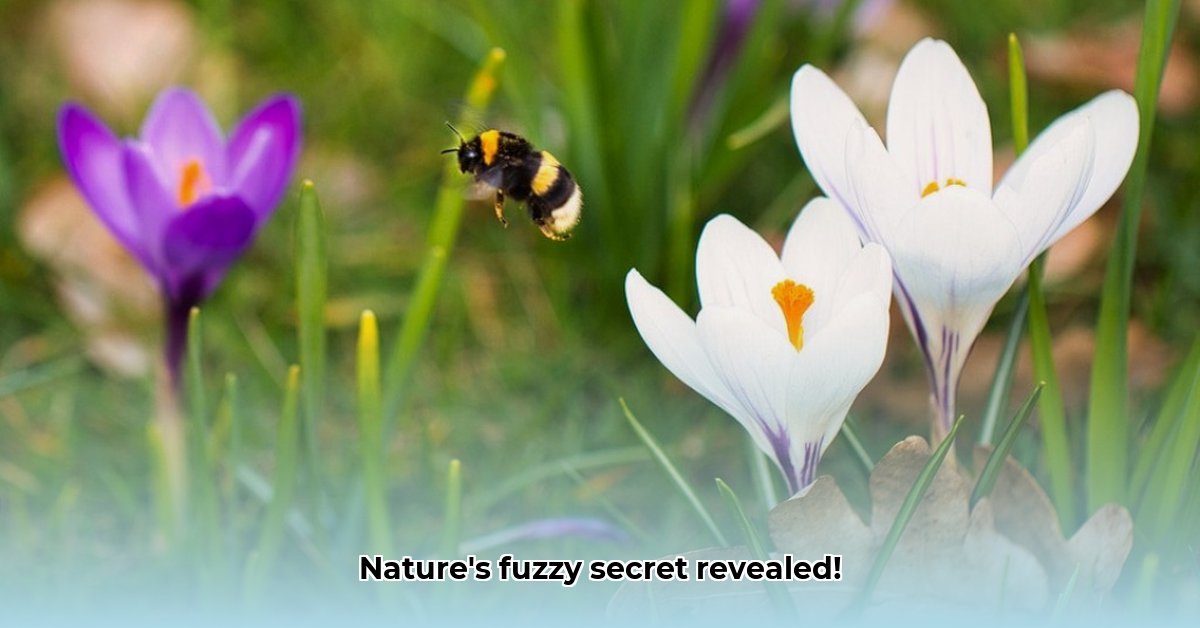
Have you ever really looked at a bumblebee? That fluffy body isn't just cute; it's a marvel of engineering, crucial for its survival and the health of our ecosystem. The seemingly simple fact that "Een Hommel Heeft Een Harig" – a bumblebee is hairy – unlocks a world of fascinating adaptations. This fuzzy coat plays a surprisingly significant role in their lives, impacting everything from pollination to thermoregulation.
Decoding the Fuzz: Types and Functions
Let's explore the science behind the fuzz, keeping it simple and relatable. A bumblebee's "hair" isn't uniform; it's a clever mix. Some hairs are branched, like tiny trees—scientists call these setae (say: SEE-tee). Others are simpler, straighter hairs. Think of the setae as nature's built-in pollen baskets. Their branched structure acts like Velcro, grabbing pollen grains with impressive efficiency. These are your high-powered pollen collectors. The simple hairs, on the other hand, act like a warm, furry coat, providing crucial insulation. It's a natural thermostat, helping the bee stay warm on chilly mornings and avoid overheating on sunny days. But it’s even more incredible than that! These hairs also act as tiny sensors, helping the bee navigate its world, detecting changes in air currents and temperature, and even sensing other bumblebees nearby. It's a sophisticated sensory system, all packed into that fluffy package.
Isn't it amazing how much information is contained in such a seemingly simple characteristic? What other clever solutions does nature hold hidden in plain sight?
The Ecological Importance of a Bumblebee's Hair
Now, let's look at the bigger picture. A bumblebee's hairy body isn't just crucial for the bee; it’s crucial for the entire ecosystem. Their impressive pollen-collecting ability makes them superstar pollinators for countless plants. Imagine a world without bumblebees – many plants wouldn't reproduce effectively, potentially leading to a significant loss of biodiversity. The consequences could ripple through entire food webs. Beyond pollination, their fluffy coats help regulate their body temperature – that furry coat keeps them warm in the morning so they can get to work earlier, giving them a head start on the competition for crucial nectar and pollen. Their hairy bodies also offer some protection against predators. The thick fur makes it harder for some predators to grab hold, offering a degree of natural armour. It's a multi-tasking marvel!
What Can We Do? Actionable Steps for a Fuzzier Future
Understanding the importance of a bumblebee's hair empowers us to act:
- Educators: Integrate this fascinating biology into your classrooms! Show students how crucial these little creatures are.
- Researchers: Investigate how habitat loss affects bumblebee hair health. This research will inform effective conservation strategies.
- The Public: Plant bee-friendly flowers and support bumblebee conservation organizations. Even small actions make a difference.
- Conservationists: Focus on preserving diverse habitats to protect different bumblebee species and their unique needs.
Threats to the Fuzzy Friends
Sadly, bumblebee populations face significant threats globally. Habitat destruction from urban sprawl and intensive agriculture reduces the availability of suitable nesting sites and food sources. Pesticide use, particularly neonicotinoids, has been linked to bee declines, potentially affecting their immune systems and making them more vulnerable to diseases. Climate change also poses a serious threat, affecting flowering times and disrupting ecological balances. The decline of bumblebees impacts the plants and animals that depend on them.
A Final Buzz: Protecting Our Fuzzy Friends
"Een Hommel Heeft Een Harig" – this simple observation unveils a world of intricate biology and ecological significance. The hairy coat of a bumblebee isn't just fluff; it's a testament to the ingenuity of nature, vital for their survival and the health of our planet. Let's all work together to protect these fascinating creatures and the vital role they play in our world. Their future, and ours, depends on it.